Trading, A Beginner's Step-by-Step Guide to Start Successfully
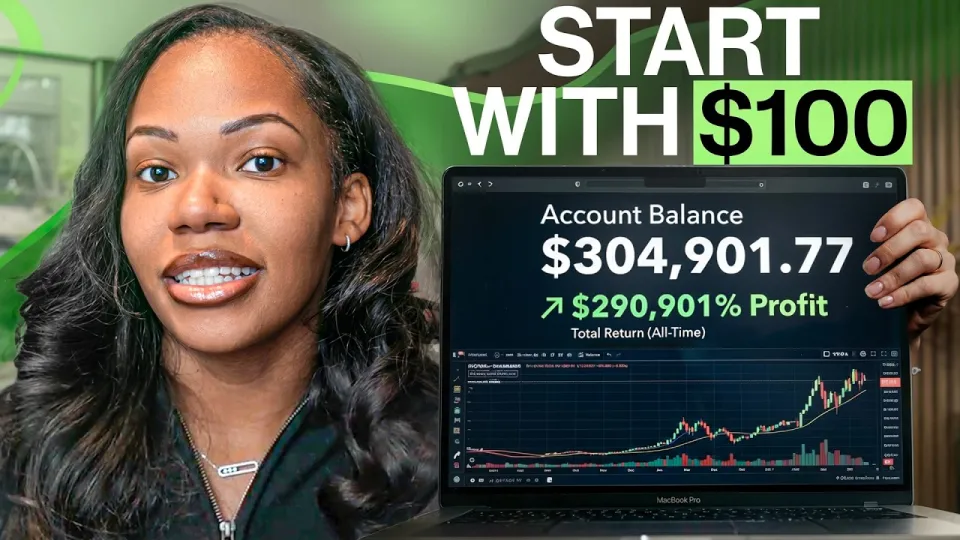
Video: How To Start Trading As A Beginner In 2026 (Step-by-Step)
Want articles like this for your own video to promote it on YouTube and Google? Order them through the Telegram bot @sat_sit_bot. The bot writes and publishes the articles itself (with your YouTube video embedded) on popular topical websites (no ads). Free trial — 50 articles.
Trading is the process of buying and selling financial instruments like stocks, options, and futures to profit from market movements. For beginners, starting trading means understanding what it truly involves, learning key concepts like calls and puts, and practicing consistently before risking real money. This guide breaks down trading into clear, actionable steps to help anyone start trading confidently and successfully.
What Trading Actually Is and What It’s Not
Trading involves speculating on price movements of assets within short or varying time frames to make profits. It is not a get-rich-quick scheme or gambling, but rather a skill that requires education, patience, and discipline. Unlike investing, which focuses on long-term growth, trading often means entering and exiting positions within days, hours, or even minutes.
Understanding Calls, Puts, Options, and Futures
Options trading is popular among beginners due to its flexibility. A call option gives you the right to buy an asset at a set price before expiration, while a put option gives you the right to sell. Options are contracts with expiration dates and can fit different schedules depending on your availability.
Futures contracts oblige you to buy or sell an asset at a specific date and price, generally requiring more capital and risk management. Beginners should start with options if they want flexibility and lower capital requirements.
Choosing the Right Broker and Charting Platform
Selecting your broker and charting tools is crucial. Sierra Aaliyah recommends Webull for beginners due to its user-friendly interface and free stock promotions when signing up through her link. For charting and technical analysis, TradingView offers intuitive charts and indicators tailored for all skill levels.
Three Foundational Concepts to Master
Before placing real trades, focus on these three core concepts:
- Market Structure: Understand support, resistance, and trend lines to identify entry and exit points.
- Candlestick Reading: Learn to interpret candlestick patterns which reveal market sentiment and potential reversals.
- Trading Psychology: Manage emotions like fear and greed; maintain discipline to stick to your trading plan and risk management.
Why Most Beginners Quit and How to Avoid It
Approximately 90% of new traders quit within the first two months, often because they expect quick profits or get overwhelmed by losses. To avoid this:
- Start with a small trading account ($300–$2,000).
- Begin with paper trading to practice without risking money.
- Set realistic goals and accept losses as part of the learning process.
- Avoid chasing every market move; patience is key.
Common Questions and Challenges for New Traders
New traders often struggle with chart reading, strategy consistency, and managing losses. It’s normal to feel frustrated when initial trades don’t go as planned. Many successful traders emphasize that consistent profitability takes months or years of study and practice. Seeking mentorship or joining supportive communities, like the Crystal Academy Discord, can accelerate learning and provide emotional support.
Useful Links
- Join Sierra Aaliyah’s trading Discord for mentorship and resources: https://whop.com/c/crystal-academy/youtube
- Sign up for Webull and get free stocks: https://www.webull.com/k/SierraUSA
- Follow Sierra on Instagram: https://www.instagram.com/sierra.aaliyah/
- Follow Sierra on TikTok: https://www.tiktok.com/@sierraxliyah
Conclusion
Starting trading as a beginner requires realistic expectations, foundational knowledge, and consistent practice. By understanding what trading truly is, mastering key concepts like calls and puts, utilizing reliable platforms like Webull and TradingView, and committing to paper trading first, beginners can build the skills needed for success. Remember, trading is a journey, not a quick win. Sierra Aaliyah’s approach encourages patience, discipline, and continuous learning, making trading accessible and achievable for everyone.
For those ready to take their first step, joining the Crystal Academy Discord offers valuable support and guidance along the way.
Key takeaways
- Start trading with $300–$2,000; no need for large capital
- Understand calls vs puts and options vs futures basics
- Use paper trading to practice before risking real money
- Master market structure, candlestick reading, and trading psychology
- Choose reliable brokers like Webull and platforms like TradingView
Source: How To Start Trading As A Beginner In 2026 (Step-by-Step) · Markdown version
Questions & answers
Is trading suitable for someone with no finance background?
Yes, trading can be learned by anyone regardless of background. Many successful traders, including Sierra Aaliyah, started without formal finance education by self-learning through online communities and practice.
How much money do I need to start trading?
You don't need a large amount to start. It is recommended to begin with $300 to $2,000 to manage risk effectively and gain experience without risking excessive capital.
What is paper trading and why is it important?
Paper trading involves practicing trading with virtual money. It allows beginners to test strategies and understand market behavior without risking real funds, which is crucial before trading live.
Can beginners become consistently profitable quickly?
Consistent profitability usually takes months or years of study and practice. Many beginners face initial losses and frustration, but with discipline, education, and patience, profitability is achievable over time.